

What marketing alignment actually means
Alignment is not a problem the marketing team can solve on its own. It is a business discipline, and it starts well before the first campaign.

Alignment is not a problem the marketing team can solve on its own. It is a business discipline, and it starts well before the first campaign.
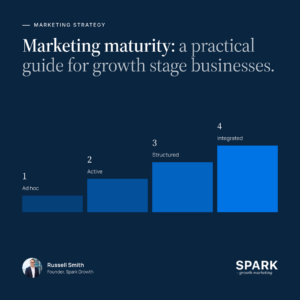
Your marketing probably grew the way your business did, one good decision at a time. The question is whether it still matches where the business is going.


Before a buyer ever opens a search bar, LinkedIn ads let a business reach that buyer based on their professional profile. This works through account-based marketing, an approach that treats a defined list of target companies as the audience. Job title, seniority, company size and industry decide who sees the ad.

Search systems evaluate commercial operations based entirely on structured data and digital consistency. The system treats every company as an ‘entity’, meaning it’s a distinct, recognisable concept with specific web relationships. If a workshop supplies a product or service, the algorithm needs clear proof of that capability. Without these markers, the system won’t understand the company’s core function.

Google’s March 2026 Core Update finished rolling out on April 8, 2026, after 12 days of broad ranking changes across every industry and language globally. For businesses watching organic traffic numbers shift, the instinct to act fast is understandable. But making major changes to a marketing strategy before the data’s properly read is one of the more expensive mistakes in the SEO space.

The past few years have already tested Perth businesses trying to keep pace with changing customer behaviour, rising costs, and shifting technology. The year 2026 will raise expectations again. AI is being built into every major platform, privacy expectations are tightening, and local competitors are lifting their game across search, social, and paid media.

The past few years have already tested Perth businesses trying to keep pace with changing customer behaviour, rising costs, and shifting technology. The year 2026 will raise expectations again. AI is being built into every major platform, privacy expectations are tightening, and local competitors are lifting their game across search, social, and paid media.

Perth’s digital landscape moved fast in 2025. AI content tools matured, privacy rules tightened, local SEO kept shifting, and paid media costs went up across most sectors. Businesses that grew didn’t just spend more on their Perth marketing strategy. They tightened their data, focused on creative that converts, and rebuilt funnels to suit how people in Western Australia research and buy.

Launching a startup in Perth is exciting and unforgiving. Teams are lean, budgets are tight, and the distance from the east coast means you have to be smarter about how you reach customers. That is exactly where growth marketing shines.

If you feel like you are spending more on marketing than you should, you are not alone. Many businesses throw money at ads, sporadic campaigns, or the latest platform and still struggle to see steady results. The fix is not another quick tactic.